

For many Texans, opening the monthly electricity bill can feel like deciphering a complex puzzle. You see charges for your chosen retail provider, alongside a list of mysterious transmission and distribution fees. If you have ever wondered why your bill is split this way—or who actually keeps your lights on when a storm rolls through—you are not alone. Understanding the distinct roles of texas utility providers tdsp and your retail electric provider (REP) is the secret to mastering your energy budget and confidently navigating the deregulated Texas market.
The Great Divide: Retail Electric Providers vs. Texas Utility Providers (TDSPs)
The Texas power grid operates on a unique dual-system structure designed to give consumers the power of choice while maintaining a safe, reliable physical infrastructure. This system is split cleanly into two entities: the company that bills you, and the company that delivers the physical power.
Your Retail Electric Provider (REP) is your financial energy partner. This is the company you choose on the open market, the brand name on your monthly bill, and the entity that secures your retail contract. Your REP purchases electricity wholesale and sells it to you under fixed, variable, or indexed plans.
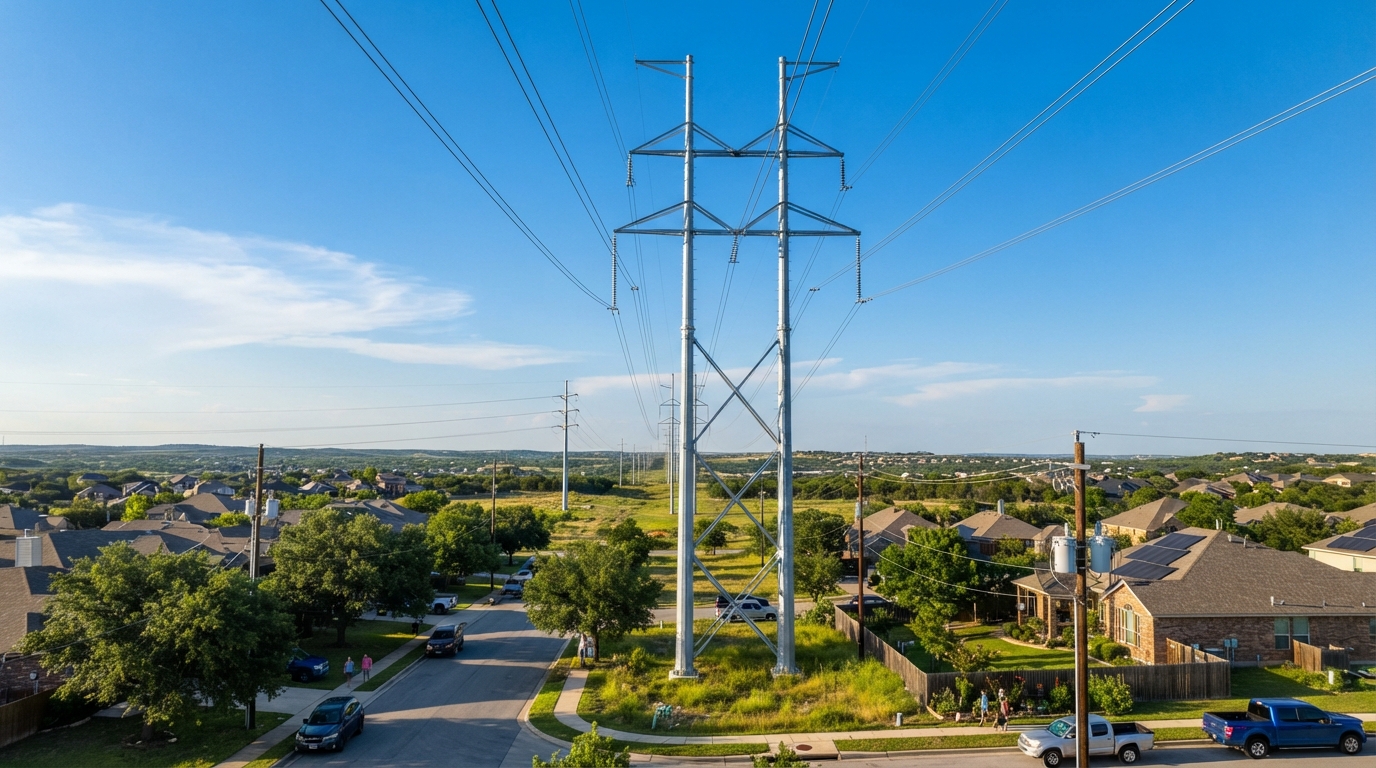
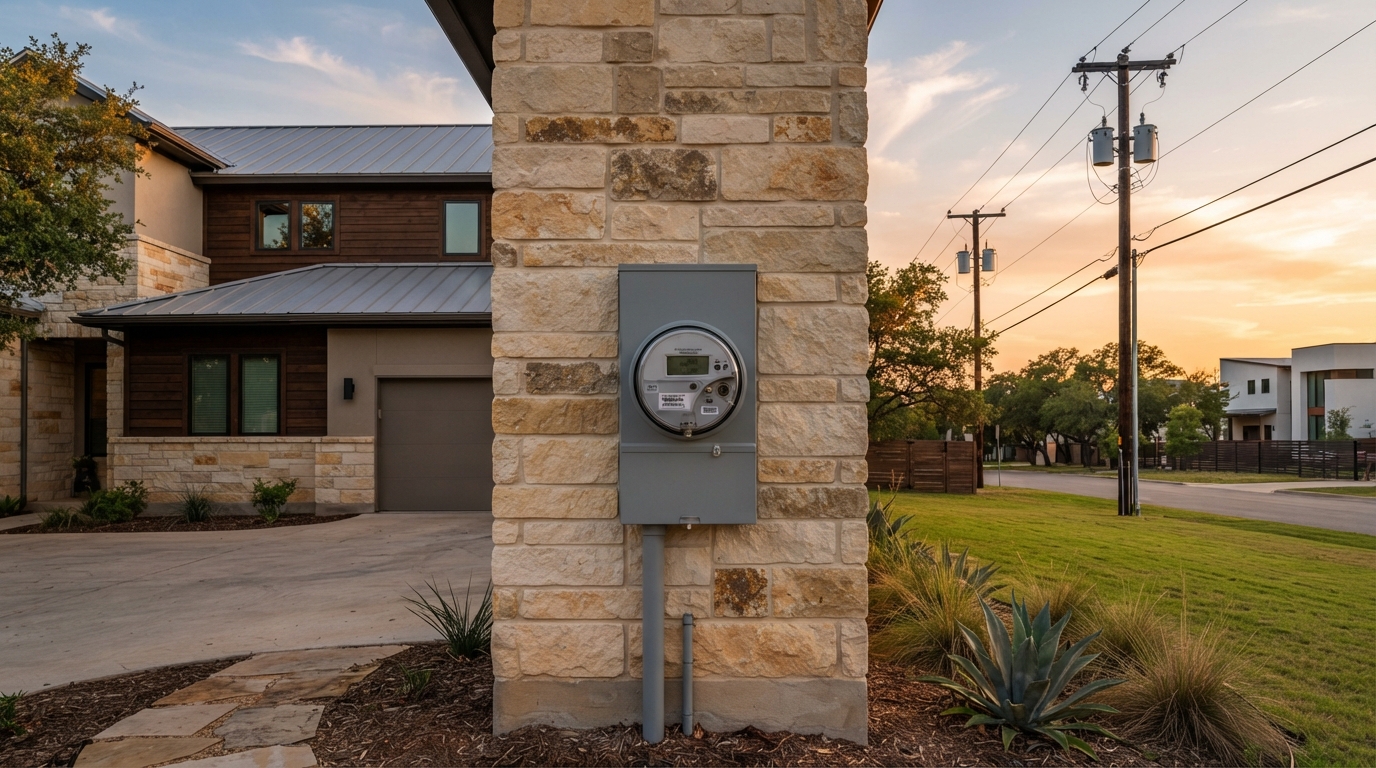
On the other side of the equation are the texas utility providers tdsp (Transmission and Distribution Service Providers). These are the regulated utility companies—such as Oncor in North Texas, CenterPoint Energy in the Houston area, AEP Texas, and Texas-New Mexico Power (TNMP). Unlike REPs, you do not choose your TDSP; they are assigned strictly by your physical geographic location. While your REP handles your billing contract, your TDSP physically maintains the poles, lines, transformers, and smart meters that supply electricity to your home.
How TDSPs Keep the Physical Grid Running
Think of your REP as the retail store where you buy your goods, and your TDSP as the delivery truck and highway system that physically transports those goods to your front door. Because the physical delivery of electricity requires a massive network of physical lines and substations, it would be highly inefficient to have multiple companies building competing power lines down the same street. Therefore, TDSPs remain regulated monopolies within their respective territories, overseen by the Public Utility Commission of Texas (PUCT).
Your local TDSP is responsible for:
- Restoring physical power lines and fixing downed wires after severe weather events.
- Maintaining and reading your home’s digital smart meter.
- Ensuring the safe, reliable transmission of high-voltage electricity from generation plants down to residential distribution levels.
How Electric Texan™ Simplifies the Lone Star Marketplace
Navigating the relationship between your utility district and your retail options does not have to be overwhelming. At Electric Texan™, we specialize in making deregulated energy and exercising your “power to choose” as easy as possible for hardworking Texans. We bring order to the busy energy market by offering:
- Handpicked energy companies selected carefully based on financial reliability, transparency, and top-tier customer service.
- An independent localized comparison engine that lets you instantly filter plans tailored specifically to your regional TDSP territory.
- Clear, straightforward rate charts that break down billing components so you know exactly what to expect.
- Over 20 years of experience as one of the state’s top choice comparison sites, dedicated to keeping Texas households happy and informed.
The Freedom of Contract and Moving Mobility
One of the greatest benefits of the deregulated ERCOT market is the sheer flexibility it offers to modern consumers. When you shop through Electric Texan™, you are never locked into a rigid geographical trap. We champion full contract and moving mobility. If you decide to relocate to another address within Texas, you hold the complete freedom to seamlessly transfer your provider to your new home or cancel your contract to fit your next location. The choice is entirely up to you, ensuring your energy plan moves at the speed of your life.
Conclusion: Clear Bills, Reliable Power
By understanding that your regional utility manages the physical grid while your retail provider handles your billing contract, you can shop for energy plans with absolute confidence. No matter which retail brand you choose to partner with financially, your local utility provider remains dedicated to delivering safe, reliable power over the exact same physical infrastructure.
Ready to master your utility bill components and find a reliable partner for your home? Put your Power to Choose to work by comparing cheap, handpicked Texas electricity plans without having to bounce across multiple sites. Reach out to our Texas-based team of specialists at 1-844-567-2863 or visit the Electric Texan Home Page to analyze real plans for your ZIP code today!
Frequently Asked Questions
Will switching my retail electricity provider cause a temporary power outage or disruption at my home?
Absolutely not. Switching your retail electric provider changes only your billing contract and financial partnership; it involves zero physical infrastructure alterations or service gaps. Because your local utility provider (such as Oncor or CenterPoint) continues to manage the exact same physical delivery wires and poles connecting to your home, your electricity flow remains completely uninterrupted during the transition.
What are TDSP pass-through charges on my monthly statement?
TDSP pass-through charges are the regulated costs associated with building, maintaining, and operating the physical power lines and grid infrastructure. These fees are set and approved by the Public Utility Commission of Texas (PUCT). Your retail provider simply collects these mandatory fees from you and passes them directly to your regional utility company without any markup.
Are TDSP delivery fees different depending on which retail provider I choose?
No. TDSP delivery fees are completely uniform and standard across a specific utility territory. Whether you choose a premium retail plan or a budget-friendly option, your regional utility’s delivery charges—including fixed monthly customer charges and volumetric distribution delivery costs—remain 100% identical.