

Opening your monthly power bill in the Lone Star State can sometimes feel like reading a foreign language. Texas residents often wonder why their statement features charges from two separate entities: a chosen electric provider and a Transmission and Distribution Utility (TDU or TDSP). Navigating the deregulated ERCOT market requires understanding the fundamental divide between the company that manages your supply contract and the physical infrastructure team that keeps your lights on during scorching summer air conditioning surges.
Demystifying the Texas Grid: Retail Providers vs. TDSPs
In deregulated regions across Texas, the energy market is split into two distinct roles to foster consumer choice while maintaining grid reliability. Your Retail Electric Provider (REP) acts as your financial partner, managing contract terms, sending invoices, and handling account management. However, when evaluating various texas utility providers tdsp entities, you are looking at the regulated wire and pole companies that physically maintain the grid infrastructure.
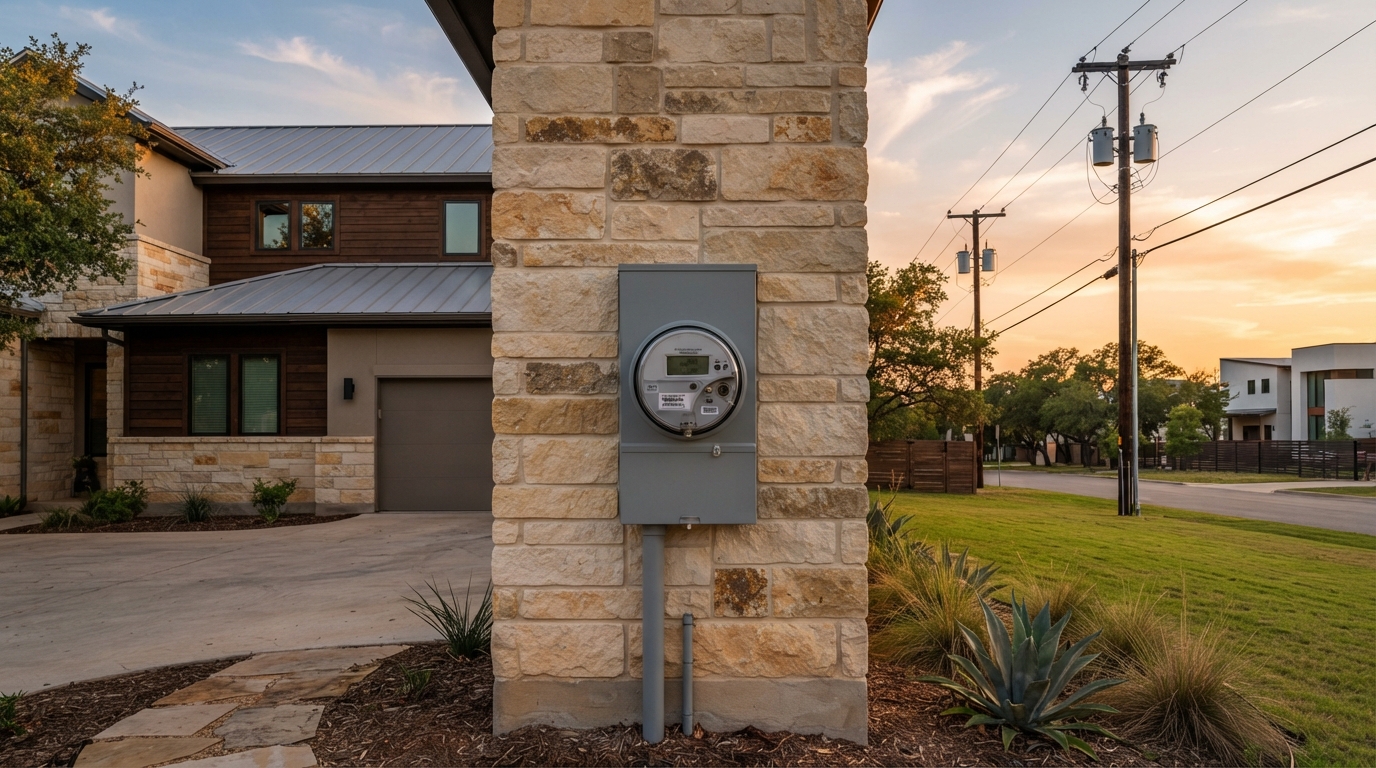
Regardless of whether you are shopping for residential power or securing small business energy plans, your physical electricity flows through state-assigned utility delivery lines. If you live in North Texas searching for electricity Dallas service, Oncor maintains your local lines and substations. Conversely, if you are down along the Gulf Coast reviewing options for electricity Houston coverage, CenterPoint Energy physically connects your property to the grid. These utility entities manage the physical poles, wires, transformers, and smart meters across their respective geographical territories.
How Utility Transmission & Distribution Charges Work
Because TDSP entities own and operate the physical hardware, the Public Utility Commission of Texas (PUCT) strictly regulates their delivery fees. These fees cover emergency storm restoration, line repairs, infrastructure upgrades, and smart meter readings. Every retail provider passes these mandatory charges directly through to the consumer without markup, ensuring total fee uniformity across the entire utility footprint.
Utility delivery costs generally consist of two main components:
- Fixed Monthly Customer Charges: A flat administrative fee charged per billing cycle regardless of total usage.
- Volumetric Distribution Delivery Costs: A regulated per-kilowatt-hour base rate applied to the exact amount of energy consumed during the billing cycle.
Because these charges are standardized by state regulators, exercising your legal right to exercise your power to choose allows you to shop purely for the most competitive retail supply rate. Whether you opt for fixed-rate supply agreements or convenient prepaid electric service, your local utility’s pass-through delivery fees remain 100% identical.
Why Electric Texan™ Makes Navigating the Market Effortless
Deciphering utility structures and finding the right retail electric provider doesn’t have to be overwhelming. At Electric Texan™, our core mission is making deregulated energy and exercising the power to choose as easy as possible for hardworking Texans. Here is how our platform simplifies your search:
- Handpicked Energy Companies: Every provider featured on our platform is carefully screened based on financial reliability, contract transparency, and top-tier customer service.
- Independent Localized Engine: Easily compare transparent electricity plans customized specifically for your local ZIP code.
- Clear Rate Breakdown Charts: Unpack retail supply costs alongside regional utility delivery charges so there are never any unexpected surprises on your bill.
- 20-Year Texas History: Backed by two decades of trusted experience as one of the state’s premier energy comparison platforms.
We also understand that life changes quickly. That is why we champion full contract and moving mobility. If you relocate to a new address within Texas, you retain the complete freedom to seamlessly transfer your existing provider or cancel your contract to find a plan that perfectly fits your next location.
Taking Control of Your Texas Energy Strategy
Understanding how your regional utility company interacts with your retail electricity plan removes the confusion from energy shopping. Knowing that your regional TDSP guarantees physical line safety and delivery regardless of your billing provider gives you total peace of mind to focus on securing the best supply contract for your household.
Ready to master your utility bill components and find a reliable partner for your home? Put your Power to Choose to work by comparing cheap, handpicked Texas electricity plans without having to bounce across multiple sites. Reach out to our Texas-based team of specialists at 1-844-567-2863 or visit the Electric Texan Home Page to analyze real plans for your ZIP code today!
Frequently Asked Questions
Will switching my retail electricity company cause my power to shut off temporarily?
No. Switching retail electric providers involves zero physical alterations to your service. Because your state-assigned TDSP utility handles physical electricity delivery over the exact same wires and smart meter, changing providers only changes who issues your monthly billing statement. There is absolutely no interruption or risk of service downtime.
Can I choose a different TDSP utility company for my home?
No. While you hold the legal right to choose your retail electric provider, your TDSP utility company is assigned strictly by geographic location. Regulated utility entities manage designated service territories to ensure grid safety and efficiency, meaning everyone in your immediate service territory relies on the same wire and pole provider.
Why do utility delivery charges show up separately on my bill?
Texas electricity statements separate the cost of energy generation (provided by your chosen retail company) from physical grid distribution (managed by your regional utility). Showing these pass-through fees as a separate line item ensures complete transparency regarding PUCT-regulated delivery costs versus your chosen supplier’s base energy rate.