

For many Texas homeowners and renters, opening the monthly electricity bill can feel like reading a foreign language. You carefully shop for a competitive rate, only to find a significant portion of your statement dedicated to charges from an entirely different company. If you live in the Dallas-Fort Worth metroplex or parts of West and North Texas, you have undoubtedly seen charges associated with Oncor. Understanding how the physical mechanics of the Texas power grid operate—and separating your billing provider from your regional wire company—is the ultimate key to mastering your household budget.
The Texas Grid Divide: Retail Billing vs. Physical Delivery
To make sense of your monthly statement, you must first understand the structural divide of the deregulated Electric Reliability Council of Texas (ERCOT) marketplace. In Texas, the company that sends you a bill is not the company that physically delivers your electricity. The system is split into two distinct entities:
- Retail Electric Providers (REPs): These are the financial energy partners you choose to manage your billing contract. When you use a comparison platform to select a fixed-rate or variable-rate plan, you are choosing a REP. They buy wholesale electricity and sell it to you.
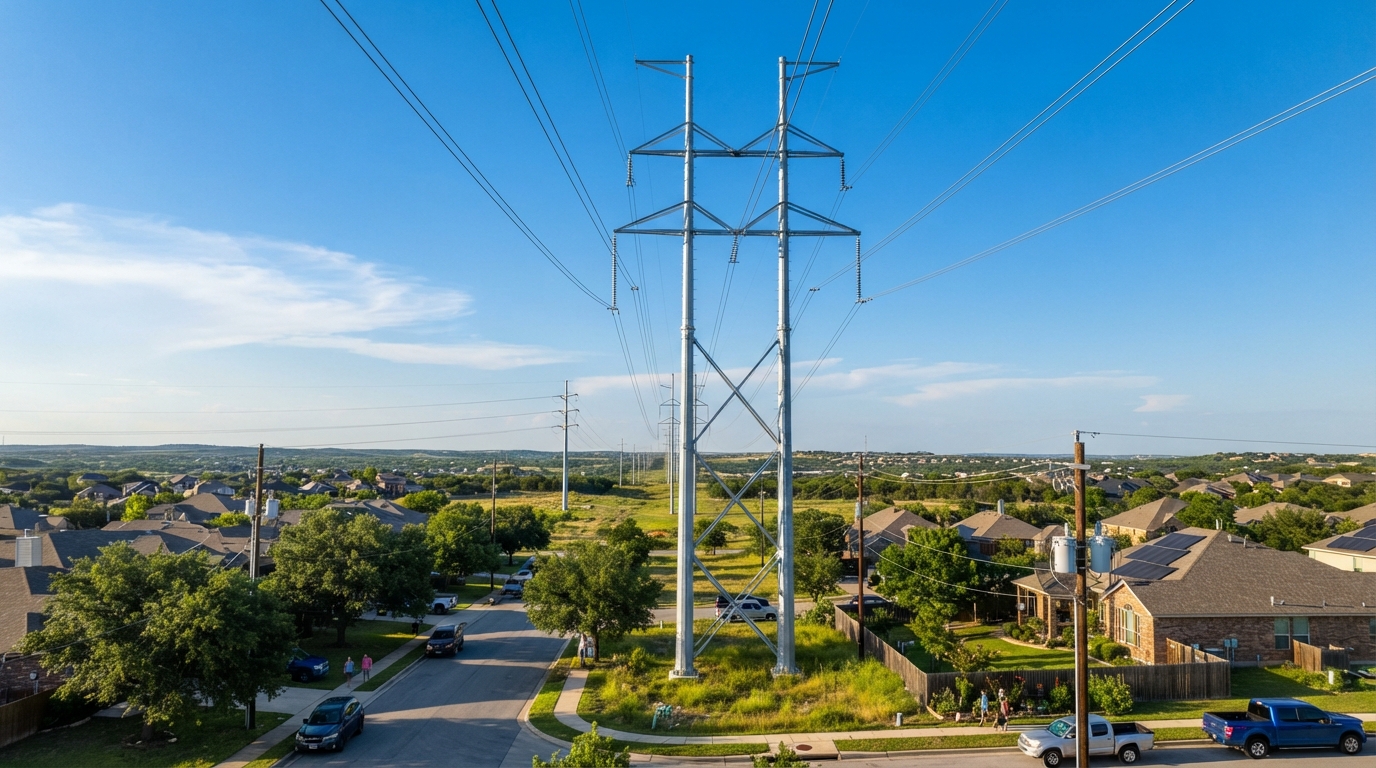
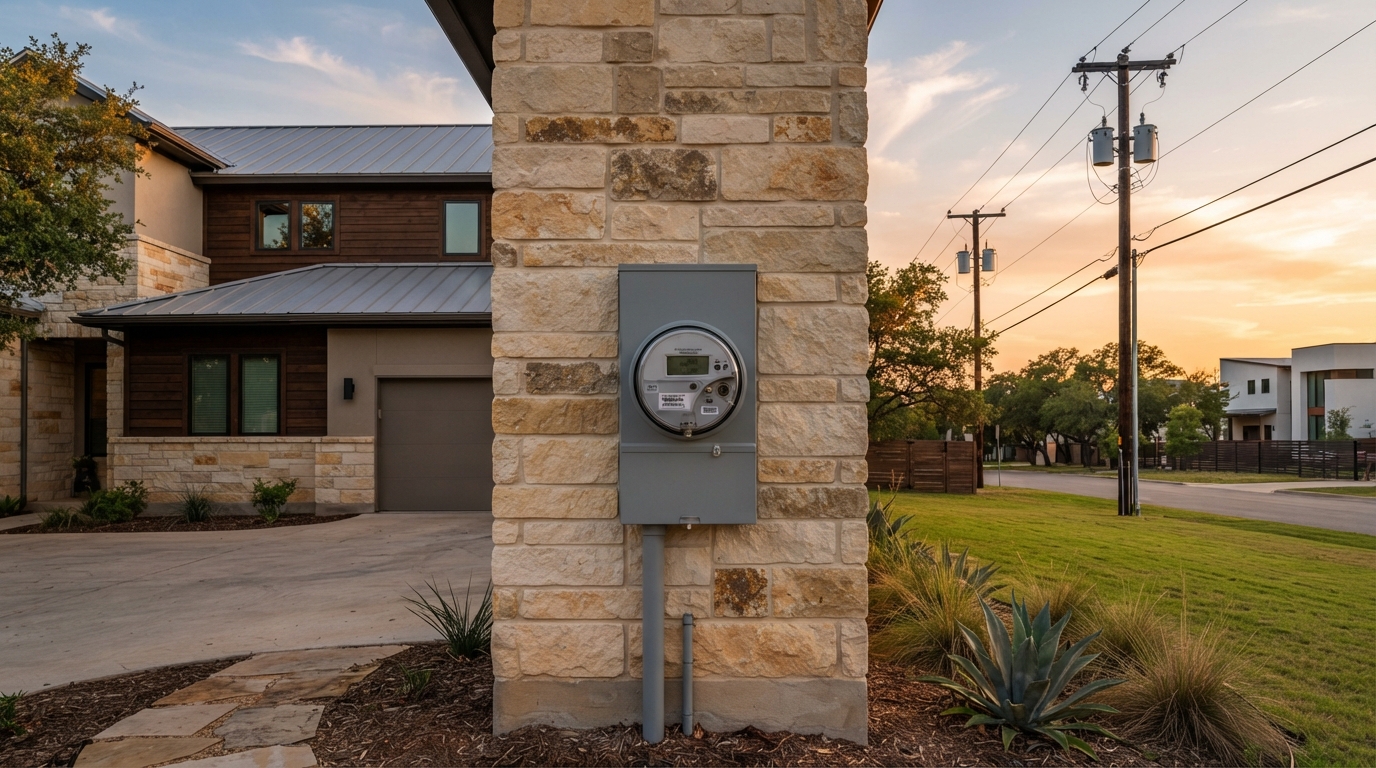
- Transmission and Distribution Service Providers (TDSPs): Also known as your local utility, these are the state-assigned entities that physically maintain the poles, power lines, substations, and smart meter infrastructure in your area. They are responsible for transporting the electricity from power plants directly to your home.
If you reside in North Texas, Oncor is your designated TDSP. They do not sell electricity plans; instead, they ensure the physical infrastructure remains safe, operational, and resilient against heavy seasonal air conditioning loads during scorching Texas summers.
Oncor Utility Delivery Fees Explained: The Pass-Through Uniformity
One of the most common points of confusion for consumers is why these utility delivery charges appear on their retail bills. With oncor utility delivery fees explained, the mystery disappears: these are “pass-through” charges. Your REP pays Oncor for using their lines to deliver your power, and those exact costs are passed directly to you without any retail markup.
The most critical takeaway for Texas consumers is pass-through fee uniformity. These charges are strictly regulated and approved by the Public Utility Commission of Texas (PUCT). Because they are standardized, Oncor’s delivery fees are 100% identical for every single home within their service territory, regardless of which retail provider you choose. Whether you enroll with a premium brand or a budget-focused provider, your local utility’s delivery charges will not change by a single fraction of a cent.
These regulated fees generally consist of two main components:
- Fixed Monthly Customer Charges: A flat, recurring fee charged per billing cycle, regardless of how much electricity your household consumes.
- Volumetric Distribution Delivery Costs: A variable charge based on your actual consumption, calculated using per-kilowatt-hour base rates and a regulated transmission factor. During peak summer months, when your air conditioner runs continuously, this volumetric portion naturally increases alongside your total usage.
Navigating Deregulation with Electric Texan™
The true beauty of the deregulated Texas market is “Electric Choice.” While you cannot choose your physical utility provider—since Oncor or CenterPoint is assigned to your geographic location—you hold the absolute legal right to choose your financial energy partner. This allows you to find a retail plan that aligns perfectly with your lifestyle and budget.
At Electric Texan™, we make exercising your power to choose as simple and transparent as possible for hardworking Texans. We cut through the marketing jargon to help you shop with confidence. Here is how we simplify the marketplace for you:
- Handpicked Electricity Companies: We vet and select providers based on financial reliability, contract transparency, and top-tier customer service.
- Independent Localized Comparison Engine: Easily filter and compare real plans tailored specifically to your ZIP code.
- Clear Rate Charts: View straightforward rate breakdowns by service area so you know exactly what you are paying for.
- 20 Years of Trusted Experience: As one of the state’s top choice sites, we have spent two decades helping Texans find peace of mind.
We also champion contract flexibility and moving mobility. If you relocate to another address within Texas, you hold the freedom to seamlessly transfer your provider to your new home or cancel your contract to fit your next location—completely up to you, without penalty.
Empower Your Energy Decisions
Understanding how your regional utility company interacts with your retail electric plan removes the anxiety and confusion from energy shopping. You can rest easy knowing that your physical delivery fees are completely standard, leaving you free to focus entirely on choosing the retail plan that offers the best value for your household.
Ready to master your utility bill components and find a reliable partner for your home? Put your Power to Choose to work by comparing cheap, handpicked Texas electricity plans without having to bounce across multiple sites. Reach out to our Texas-based team of specialists at 1-844-567-2863 or visit the Electric Texan Home Page to analyze real plans for your ZIP code today!
Frequently Asked Questions
Will switching my retail electric provider cause a physical power disruption or service gap?
No. Switching retail providers changes only your financial billing contract, involving zero physical infrastructure alterations or service gaps. Because your local delivery wires, poles, and smart meters remain completely identical and managed by the same regional utility (like Oncor or CenterPoint), your physical electricity flow is never interrupted during a switch.
Why do my utility delivery charges fluctuate from month to month?
While the rates themselves are set by the PUCT, a major portion of your utility delivery fees is volumetric. This means they are calculated on a per-kilowatt-hour basis. When your usage spikes during seasonal weather extremes, the volumetric distribution delivery costs will rise accordingly, even if your retail energy supply rate is locked into a fixed plan.
Who should I call if my power goes out or a line drops near my house?
You should always contact your regional utility provider (such as Oncor or CenterPoint) rather than your retail provider during an outage. Your retail provider only handles billing and contracts, while your assigned utility company is physically responsible for maintaining the grid, restoring infrastructure, and repairing downed lines.