

Texas electricity statements can look overly complex, leaving many households wondering where their hard-earned dollars actually go each month. When reading through your statement, you likely see a base charge from your retail electricity provider alongside line items associated with distribution and transmission. If you live in North Texas or the DFW metroplex, having oncor utility delivery fees explained clearly is essential to understanding your total energy costs. While you have the freedom to select your retail supply partner, recognizing that physical wire infrastructure charges are completely separate from your supplier’s energy rate will transform how you evaluate plans across the state grid.
The Structural Divide: Retail Suppliers vs. Utility Wire Operators
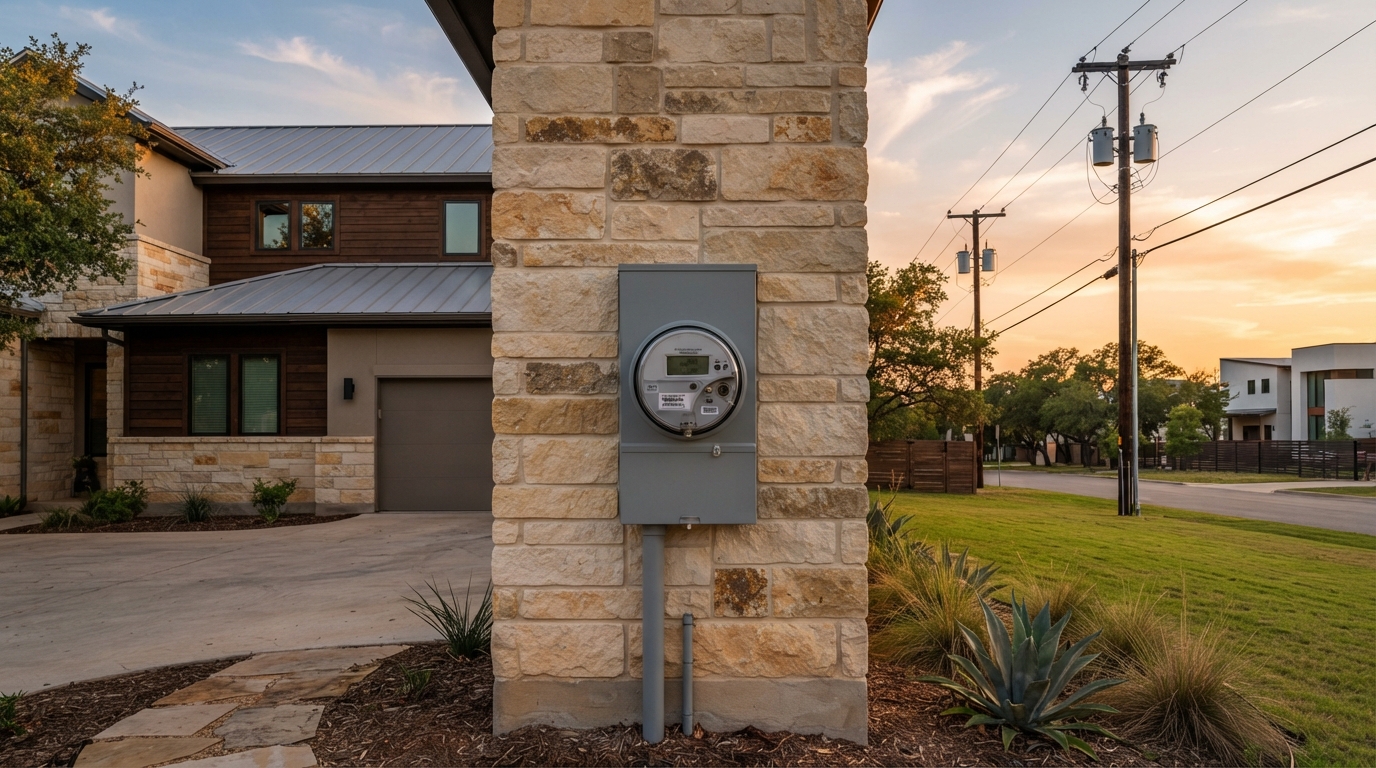
The deregulated ERCOT grid functions on a deliberate two-part structure: competitive energy marketing and state-regulated physical delivery. Your chosen Retail Electric Provider (REP) manages your commercial contract, customer care, and monthly billing. However, your regional Transmission and Distribution Utility Service Provider (TDSP)—such as Oncor in North Texas or CenterPoint Energy in the Houston area—physically operates the power lines, high-voltage transformers, and digital smart meters that supply electricity to your property.
Because the physical lines are shared infrastructure, every resident in a designated service region relies on the exact same utility provider to deliver electricity safely to their front door. Whether you are navigating choices for electricity Dallas households depend on or comparing options for electricity Houston neighborhoods require, the legal right to exercise your power to choose belongs entirely to you. You choose who sells you the power, while your assigned TDSP transports it over the physical grid.
Pass-Through Fee Uniformity: Why Utility Fees Stay 100% Identical
A common point of confusion for Texas consumers is whether switching to a different retail provider will alter their delivery charges. The short answer is no. Utility delivery rates are established and strictly regulated by the Public Utility Commission of Texas (PUCT). These charges cover the continuous upkeep, storm restoration, and technical management of poles, wires, and substations.
Retail providers simply pass these regulated costs directly through to the consumer on a non-profit, zero-markup basis. This uniform pass-through system creates absolute consistency across your utility’s geographic footprint:
- Fixed Customer Charges: A flat monthly fee assessed by the utility to maintain your active smart meter connection, regardless of usage volume.
- Volumetric Distribution Costs: A regulated per-kilowatt-hour fee charged for pushing energy through local neighborhood distribution wires.
- Regulated Transmission Factors: Standardized charges associated with moving bulk electricity along high-voltage statewide transmission corridors.
Whether you enroll in a standard fixed-rate plan, select a flexible prepaid electric service, or set up commercial small business energy plans, your local utility’s pass-through charges remain completely identical. A budget provider and a premium brand must pass along the exact same PUCT-approved delivery rates for your address.
How Electric Texan™ Simplifies the Deregulated Marketplace
Navigating pass-through charges and supply terms shouldn’t feel like a full-time job. Electric Texan™ was built to bring total transparency and confidence back to Texas home and business owners.
- Handpicked Reliable Companies: We vet electricity providers based on financial stability, transparent contract terms, and proven customer satisfaction.
- Independent Localized Engine: Easily compare real energy plans tailored specifically to your localized ZIP code without hidden surprises.
- Clear Rate Breakdown Charts: Easily inspect base supply charges alongside regulated pass-through fees so you know your true all-in cost.
- 20 Years of Market Expertise: Backed by two decades of serving Texas residents, helping millions navigate the deregulated energy landscape.
- Complete Moving Mobility: Enjoy true contract flexibility. If you relocate to a new home anywhere in Texas, you retain the freedom to seamlessly transfer your plan or cancel your agreement to match your new location.
Master Your Bill with Confidence
Understanding how your assigned regional utility works alongside your chosen retail provider eliminates confusion from energy shopping. Because delivery fees are strictly regulated and non-negotiable across your region, your shopping focus can remain where it belongs: finding a transparent supply plan with outstanding service and flexible terms that fit your household usage.
Ready to master your utility bill components and find a reliable partner for your home? Put your Power to Choose to work by comparing cheap, handpicked Texas electricity plans without having to bounce across multiple sites. Reach out to our Texas-based team of specialists at 1-844-567-2863 or visit the Electric Texan Home Page to analyze real plans for your ZIP code today!
Frequently Asked Questions
Will switching my retail electric provider cause a power disruption?
No. Switching retail electricity providers involves purely financial and administrative changes to your billing account. Because your regional utility company continues to manage the physical power lines and smart meter uninterrupted, there are zero physical alterations or service gaps when you change providers.
Can a retail electric supplier mark up my utility delivery fees?
No. Public Utility Commission of Texas regulations dictate that utility delivery fees are passed through to residential consumers as exact costs. Retail providers are not permitted to add surcharges or profit margins to regulated TDSP delivery line items.
What happens to my delivery charges and contract if I move to a new Texas city?
If you move to an address in a different utility territory, your delivery charges will adjust to match the PUCT-regulated rates of your new local utility provider. Under Texas consumer protection rules, if you move out of your provider’s service area, you hold the right to transfer your service or cancel your contract without incurring early termination penalties.