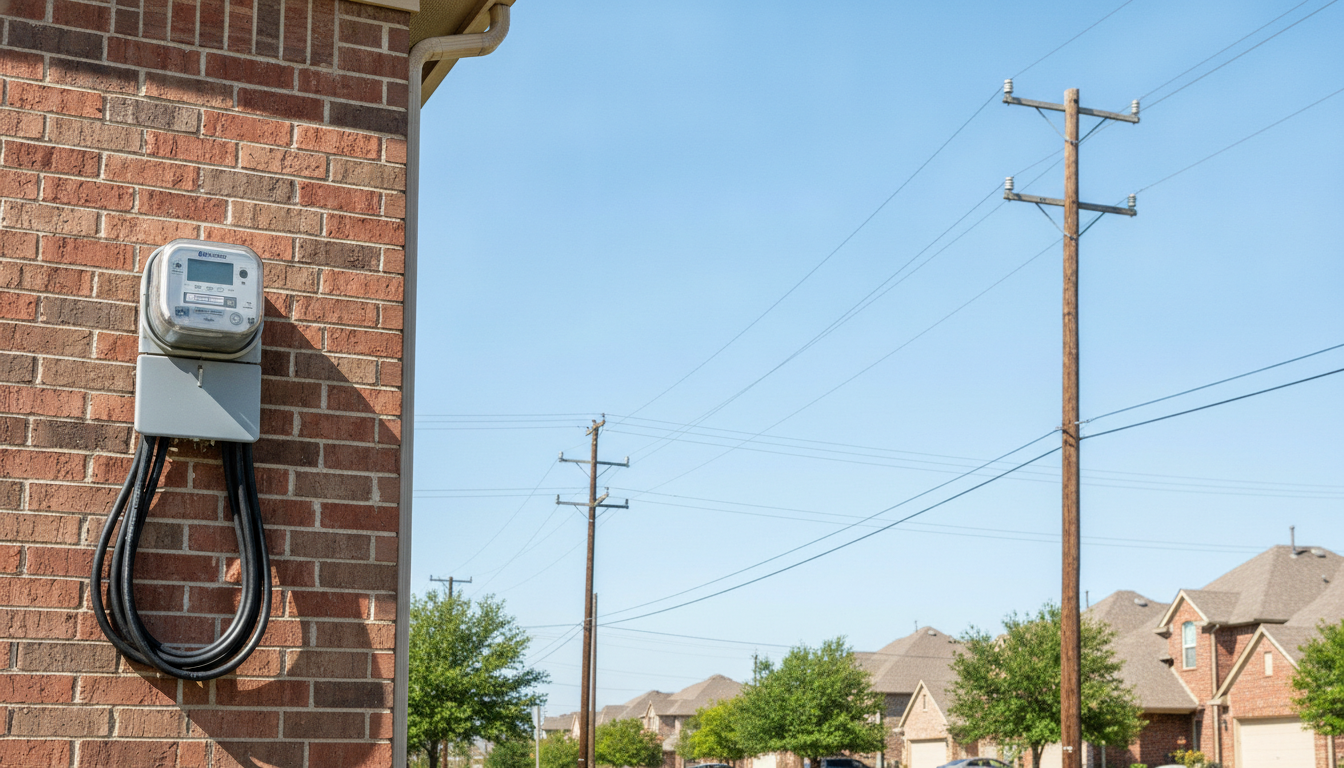


Every month, millions of Texans open their electricity bills and find themselves squinting at a confusing breakdown of charges. You might have signed up with a specific brand-name Retail Electric Provider (REP), yet a significant chunk of your statement is dedicated to “TDU” or “TDSP” delivery charges. If you live in the Dallas-Fort Worth metroplex or surrounding North Texas areas, these are your Oncor charges. Understanding how these fees work—and why they are separated from your retail energy rate—is the key to mastering your household budget and taking full advantage of the deregulated Texas energy market.
The Great Texas Energy Divide: Retailers vs. Utility Providers
In the deregulated ERCOT grid, the journey of electricity to your home is split into two distinct parts: the financial transaction and the physical delivery. It is a common misconception that the company sending you a bill is the same one maintaining the physical wires outside your window.
- Your Retail Electric Provider (REP): This is the financial partner you choose. They purchase wholesale electricity, package it into retail plans, handle your billing contract, and provide customer service. When you shop on comparison sites, you are choosing your REP.
- Your Transmission and Distribution Service Provider (TDSP): This is your regional utility company. They physically own and maintain the poles, power lines, substations, and smart meters. If you live in North Texas, Oncor is your assigned TDSP. If you reside in Houston, CenterPoint Energy manages this infrastructure. You cannot choose your TDSP; it is determined strictly by your physical location.
Oncor Utility Delivery Fees Explained: What Are You Paying For?
Because your TDSP does the heavy lifting of physically transporting electricity across the state grid and directly into your home, they must be compensated. This is where the concept of pass-through charges comes in. When you look at your bill, you will see specific line items dedicated to these delivery costs. These are not markups by your retail provider; rather, they are direct, regulated fees passed through from the utility to you. These charges typically consist of:
- Fixed Monthly Customer Charges: A flat, recurring fee charged per billing cycle to maintain your connection to the grid, regardless of how much energy you consume.
- Volumetric Distribution Delivery Costs: A per-kilowatt-hour charge that scales with your actual usage. This covers the cost of moving electricity through local distribution lines to your smart meter.
- Regulated Transmission Factors: Charges designed to recover the cost of transporting high-voltage electricity from power plants over long distances to local substations.
These fees are strictly regulated and approved by the Public Utility Commission of Texas (PUCT). They adjust twice a year (typically in March and September) to account for infrastructure updates, storm recovery, and grid resilience. This means even if you have locked in a fixed energy rate with a retail provider, your all-in cost may fluctuate slightly when these seasonal utility adjustments occur.
Why Your “Power to Choose” Matters More Than Ever
While you cannot change your local TDSP or avoid their regulated delivery fees, you hold absolute authority over the supply portion of your bill. The deregulated Texas market is built on the foundation of “Electric Choice.” This means individual households hold the legal right to choose their financial energy partner, while relying on their state-assigned, regulated utility infrastructure to deliver it safely over public lines.
By shopping around for a retail provider that offers competitive per-kilowatt-hour base rates and favorable contract terms, you can offset high seasonal usage shifts—such as the massive air conditioning loads required during hot Texas summers.
How Electric Texan™ Simplifies Your Energy Shopping
Navigating dozens of retail providers and trying to separate their supply rates from TDSP charges can feel overwhelming. That is where Electric Texan™ comes in. Our mission is making deregulated energy and exercising the “power to choose” as easy as possible for hardworking Texans.
Here is how we simplify the marketplace for you:
- Handpicked Energy Companies: We vet and select electricity companies based on financial reliability, transparency, and top-tier customer service, protecting you from hidden gimmicks.
- Independent Localized Comparison Engine: Easily filter and compare plans specific to your ZIP code, ensuring you see accurate rates for your exact utility territory.
- Clear Rate Charts: We break down the estimated bills by service area, making it easy to see how retail rates and TDSP charges combine.
- 20 Years of Experience: Backed by two decades as one of the state’s top Power to Choose sites, we know how to help you find the best value.
- Unmatched Flexibility: We promote plans with full contract and moving mobility. If you move to another address within Texas, you hold the freedom to seamlessly keep your provider or cancel your contract to fit your next location—it’s completely up to you.
Empowering Your Energy Decisions
Understanding the structural divide between your retail billing provider and your regional utility company removes the confusion from energy shopping. When you know that your local delivery wires and poles remain completely identical regardless of who bills you, you can shop with total confidence, focusing purely on finding the best financial terms for your household.
Ready to master your utility bill components and find a reliable partner for your home? Put your Power to Choose to work by comparing cheap, handpicked Texas electricity plans without having to bounce across multiple sites. Reach out to our Texas-based team of specialists at 1-844-567-2863 or visit the Electric Texan Home Page to analyze real plans for your ZIP code today!
Frequently Asked Questions
Will my electricity service be interrupted if I switch to a new retail provider?
Absolutely not. Switching retail electric companies changes only your billing contract, involving zero physical infrastructure alterations or service gaps because your local delivery wires and poles remain completely identical. Your TDSP (such as Oncor or CenterPoint) continues to deliver your physical power without a second of interruption.
Why do my utility delivery charges change even on a fixed-rate plan?
While your retail energy supply rate is locked, TDSP delivery fees are regulated by the PUCT and undergo mandatory adjustments twice a year. Because these pass-through fees are billed on a volumetric distribution delivery cost basis, your total bill will naturally reflect these minor regulatory shifts.
Who do I call if my power goes out during a storm?
You should always contact your regional TDSP (like Oncor or CenterPoint) rather than your retail provider. Because the utility company physically maintains the grid infrastructure, they are the ones responsible for dispatching crews to repair lines and restore power to your neighborhood.