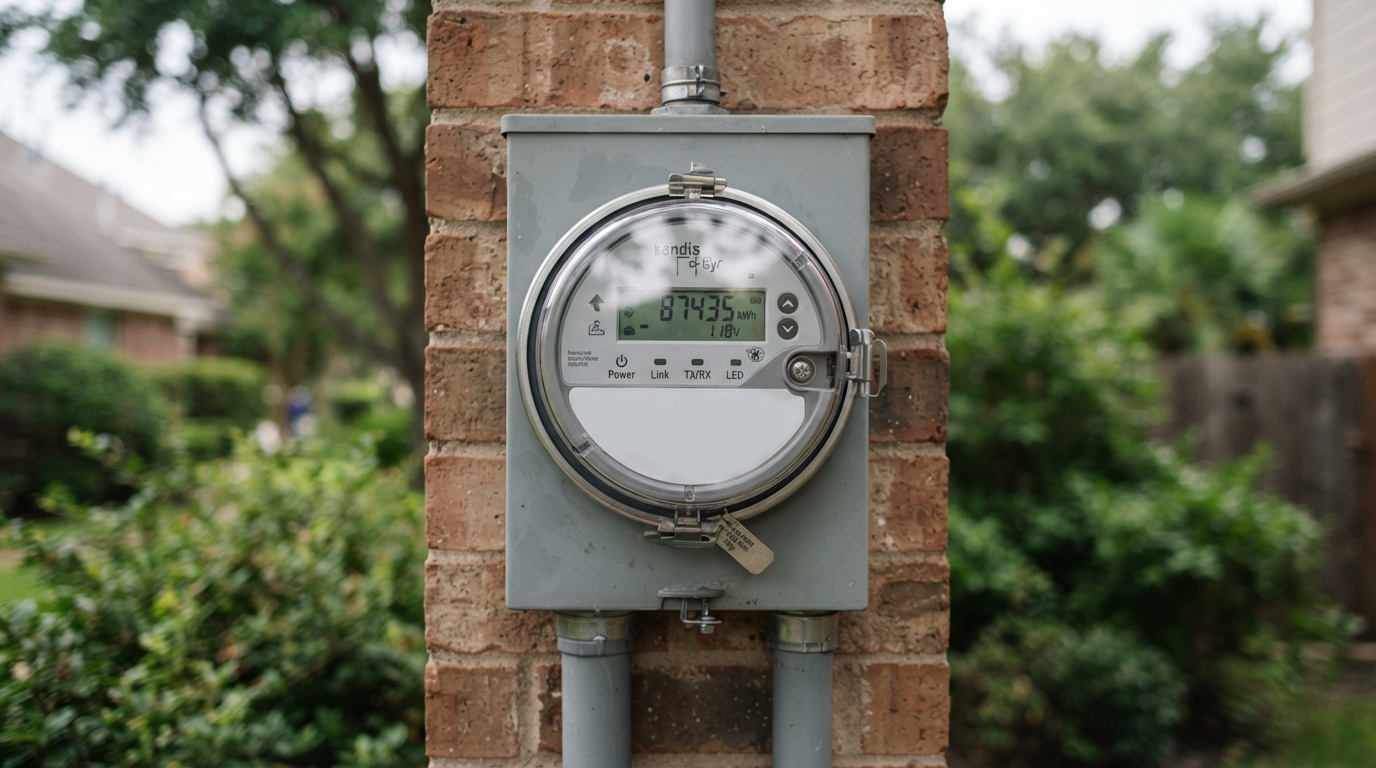

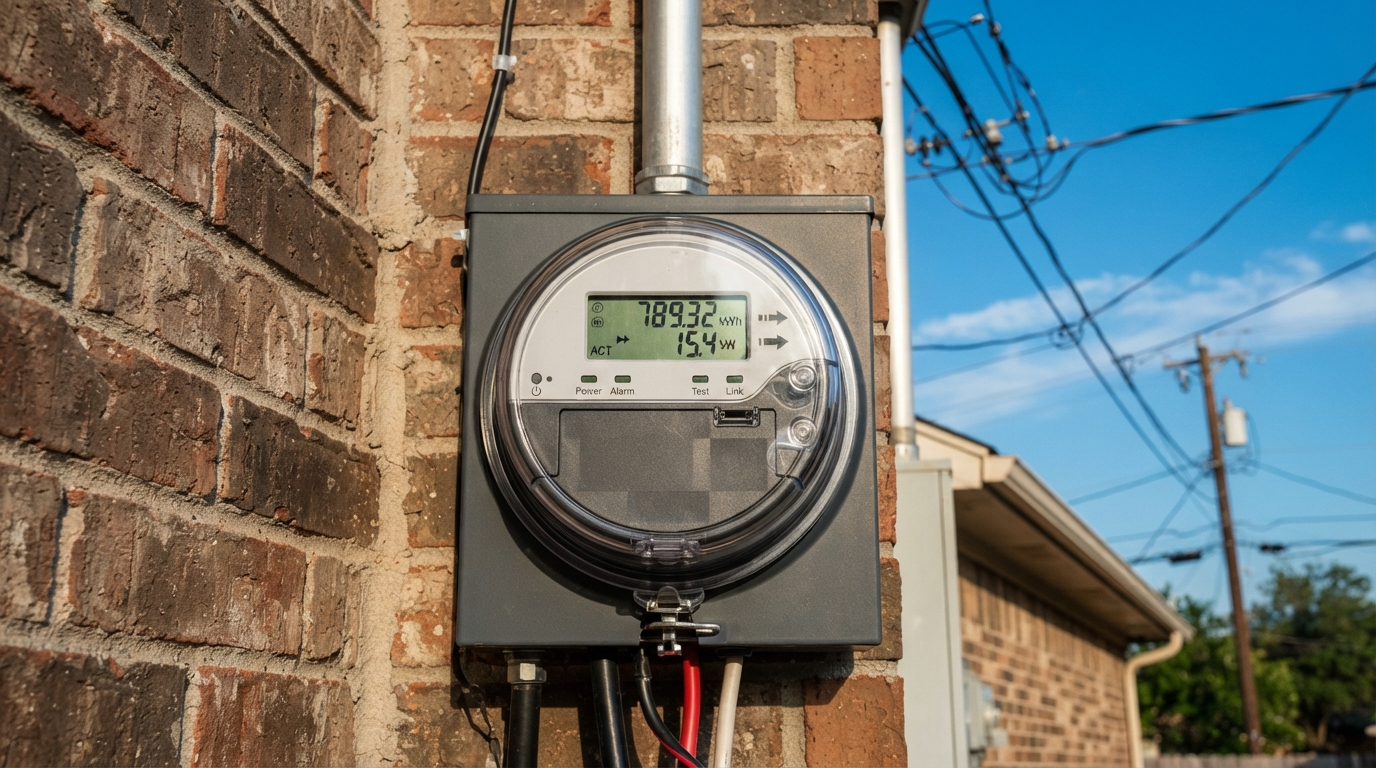
Navigating the deregulated Texas energy market can feel overwhelming, especially when trying to decipher the various line items on your monthly statement. For residents managing heavy air conditioning loads during scorching Texas summers, understanding how your power is delivered is essential. Whether you are looking at options for electricity Houston or comparing rates for electricity Dallas, knowing how your billing works starts with separating your financial provider from your physical wire company.
The Structural Divide: Billing vs. Infrastructure
To master your monthly statement, you first need to understand the unique structure of the ERCOT market. When you shop for power, you utilize your legal power to choose to select a Retail Electric Provider (REP). Your REP handles your customer service, billing contract, and pricing plan. However, they do not own the physical poles, lines, and transformers that bring power to your home.
Instead, your regional Transmission and Distribution Service Provider (TDSP)—such as CenterPoint Energy in the Houston area or Oncor in North Texas—manages the physical grid. These utility companies are strictly regulated by the Public Utility Commission of Texas (PUCT) and are responsible for maintaining safe, reliable infrastructure and restoring power after severe weather events.
CenterPoint Energy TDSP Pass Through Charges Explained
One of the most common points of confusion for consumers is the appearance of utility delivery fees. These are commonly known as pass-through charges. Regardless of whether you choose a premium green energy plan, a budget-focused fixed-rate tier, or even prepaid electric service, your local utility’s delivery charges remain 100% identical. Your REP simply collects these PUCT-approved volumetric distribution costs and transmission factors on behalf of your utility and passes them directly to the TDSP without markup.
Why Electric Texan Simplifies the Market
Making sense of energy delivery components doesn’t have to be a chore. Electric Texan is here to make exercising your power to choose as easy as possible for hardworking Texans. Backed by 20 years of experience as one of the state’s top comparison sites, Electric Texan helps you navigate the market with confidence.
- Handpicked energy companies chosen for financial reliability and transparency.
- An independent, localized comparison engine designed for your specific ZIP code.
- Clear rate charts breaking down energy supply versus regulated delivery fees by service area.
- Full contract flexibility, allowing you to easily transfer or update your plan if you move to a new address.
- Tailored solutions not just for households, but also robust small business energy plans.
Conclusion
Understanding how your regional utility interacts with your retail plan removes the confusion from energy shopping. By recognizing that your billing company and your wire provider work as a seamless team behind the scenes, you can evaluate your options with total peace of mind. Ready to master your utility bill components and find a reliable partner for your home? Put your Power to Choose to work by comparing cheap, handpicked Texas electricity plans without having to bounce across multiple sites. Reach out to our Texas-based team of specialists at 1-844-567-2863 or visit the Electric Texan Home Page to analyze real plans for your ZIP code today!
Frequently Asked Questions
Does switching my Retail Electric Provider cause an interruption in my power service?
No. Switching your retail provider changes only your financial billing contract and involves zero physical infrastructure alterations. Your local delivery wires, poles, and meters remain completely identical, and you will experience no service gaps or power outages during the switch.
Why do utility delivery charges fluctuate seasonally on my bill?
Utility transmission and distribution costs periodically adjust based on PUCT-approved filings that reflect the cost of maintaining, upgrading, and repairing the regional grid infrastructure. These adjustments apply to all customers in a given service territory regardless of your chosen retail energy plan.
Who should I call if a severe storm knocks out power to my home?
You should contact your regional TDSP—such as CenterPoint Energy or Oncor—rather than your Retail Electric Provider. The utility company manages all physical infrastructure repairs and power restoration across your local service territory regardless of who handles your billing.