
For many Texas homeowners and renters, opening a monthly electricity bill can feel like trying to decode a complex puzzle. You see charges for your chosen retail provider, but you also see a separate set of fees dedicated to your regional utility. Understanding how the physical mechanics of the Texas grid operate—and separating your billing provider from your regional wire company—is the ultimate key to mastering your energy expenses. In the deregulated Lone Star State, your electricity service is actually a partnership between two entirely different entities: the company that bills you, and the infrastructure managers who keep the lights on.
The Great Texas Energy Divide: Billing vs. Delivery
To truly understand how electricity reaches your home, you must understand the structural divide of the ERCOT grid. This divide splits the market into two distinct roles: Retail Electric Providers (REPs) and Transmission and Distribution Service Providers (TDSPs), commonly referred to as texas utility providers tdsp.
Your Retail Electric Provider (REP) – The Financial Partner
Your REP is the company you choose to buy your electricity from. They handle your billing contract, manage your account, offer various rate structures (such as fixed or variable plans), and provide customer service. When you shop on a comparison site, you are shopping for a REP. However, these retail companies do not own a single power line, utility pole, or substation. They are purely financial and customer service entities operating in the competitive marketplace.
Your Texas Utility Provider (TDSP) – The Physical Grid Managers
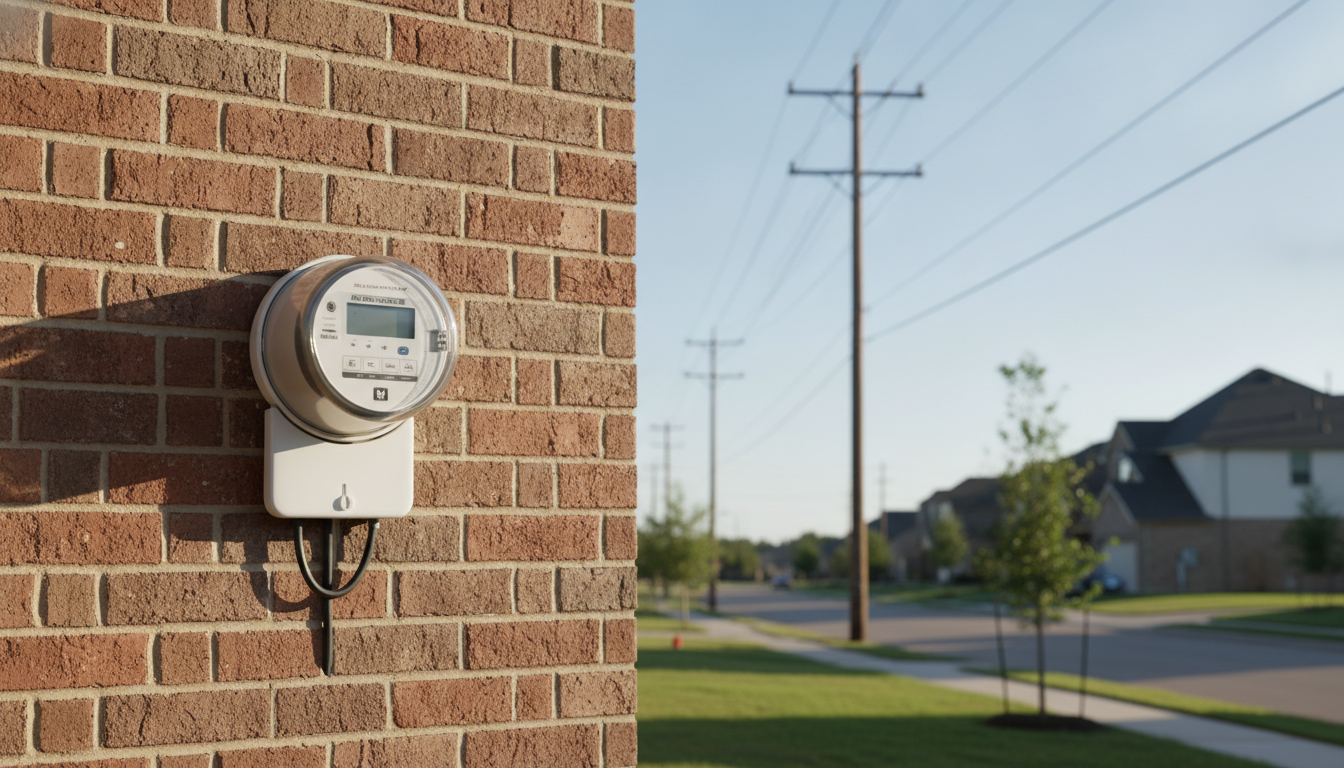
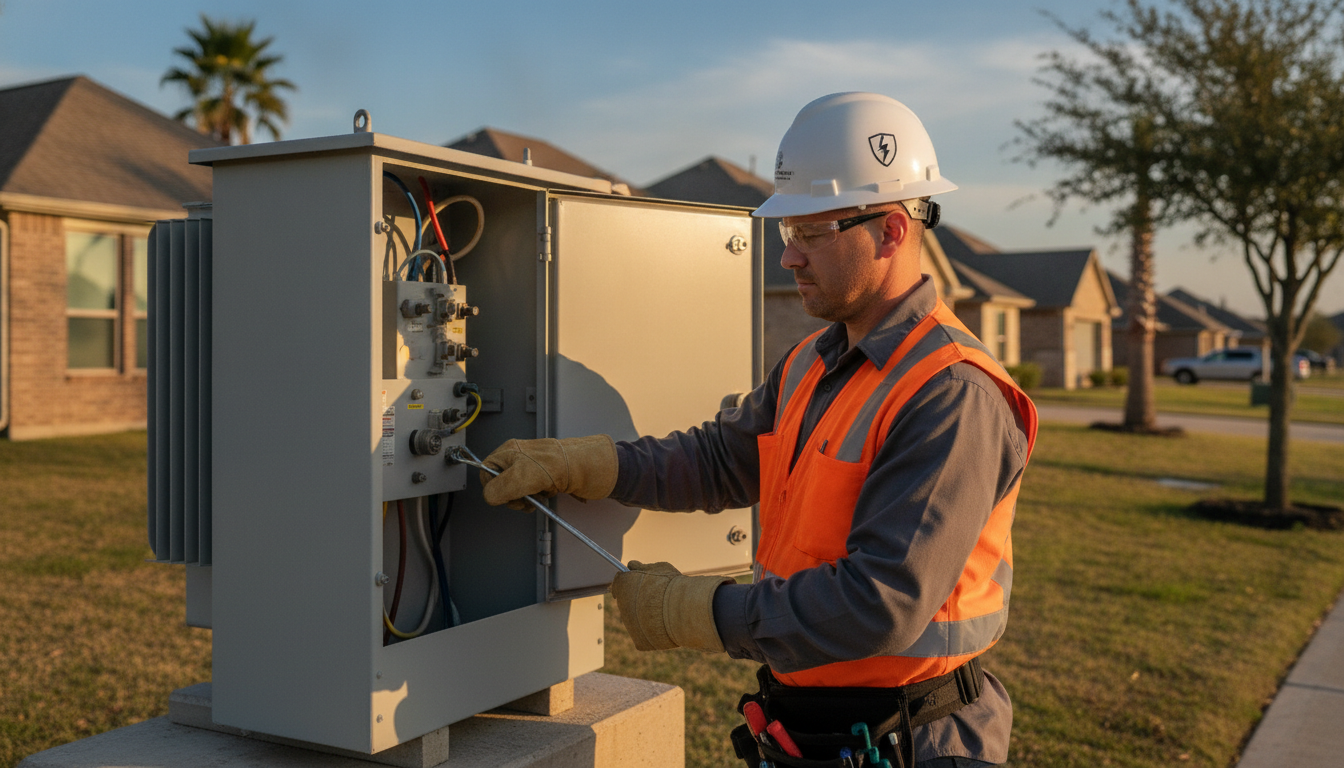
Your TDSP is the regulated utility company assigned to your specific geographic region. Unlike your REP, you do not get to choose your TDSP. Whether you live in Dallas (where Oncor manages the wires) or Houston (where CenterPoint maintains the infrastructure), your regional utility is responsible for the physical delivery of electricity. They build and maintain the poles, lines, transformers, and substations, and they are the ones who read your smart meter to record your actual usage. They ensure the physical power safely travels from generators into your home.
Why Your TDSP Matters to Your Power to Choose
Under the rules established by the Public Utility Commission of Texas (PUCT), TDSPs are heavily regulated. Because they operate as natural monopolies in their respective territories, their delivery charges are completely standardized. This means that regardless of which retail provider you choose to handle your billing, your local TDSP will always charge the exact same volumetric distribution delivery costs and fixed monthly customer charges to service your home.
This structural divide is the cornerstone of the deregulated market. It guarantees that you can exercise your “power to choose” the best financial partner for your household without ever compromising the safety, reliability, or physical delivery of your electricity. Your local utility continues to support your home with the same high-standard infrastructure, no matter how many times you switch billing plans.
How Electric Texan™ Simplifies Your Energy Journey
Navigating the relationship between retail rates and utility delivery fees doesn’t have to be overwhelming. At Electric Texan™, we make exercising your power to choose as simple and transparent as possible for hardworking Texans. Here is how we simplify the marketplace for you:
- Handpicked Energy Companies: We screen and select retail providers based on financial reliability, contract transparency, and top-tier customer service.
- Independent Localized Comparison Engine: Easily filter and compare plans tailored specifically to your ZIP code and your regional TDSP territory.
- Clear Rate Charts: We break down the estimated all-in costs, separating the retail energy supply charges from the standard utility delivery fees so there are no surprises.
- 20 Years of Experience: Backed by two decades as one of the state’s top choice platforms, we help you shop with absolute confidence.
- Full Moving Mobility: Enjoy complete contract flexibility. If you relocate to a new address, you have the freedom to seamlessly transfer your plan or cancel your contract to fit your next location.
Take Control of Your Power Bill Today
Understanding how your regional utility interacts with your retail plan removes the confusion from energy shopping. By recognizing that your physical service remains safe and constant under your state-assigned TDSP, you can focus purely on finding the most competitive, transparent billing contract for your household’s unique footprint.
Ready to master your utility bill components and find a reliable partner for your home? Put your Power to Choose to work by comparing cheap, handpicked Texas electricity plans without having to bounce across multiple sites. Reach out to our Texas-based team of specialists at 1-844-567-2863 or visit the Electric Texan Home Page to analyze real plans for your ZIP code today!
Frequently Asked Questions
Will my electricity go out or experience a gap in service if I switch to a new retail provider?
No. Switching retail electric companies changes only your billing contract and involves zero physical infrastructure alterations or service gaps. Because your local delivery wires, poles, and smart meters remain completely identical and are managed by the same regional TDSP, your physical flow of electricity is never interrupted during a provider transition.
Who do I contact if my power goes out during a major storm?
You should contact your regional TDSP (such as Oncor, CenterPoint, AEP Texas, or TNMP) rather than your retail provider. Because the TDSP physically owns and maintains the power lines and grid infrastructure, they are the ones responsible for dispatching crews and restoring power to your neighborhood.
What are TDSP pass-through charges on my bill?
TDSP pass-through charges are the PUCT-approved costs associated with delivering electricity to your home. These include fixed monthly customer charges and volumetric distribution delivery costs based on your monthly kilowatt-hour consumption. Your retail provider simply collects these regulated fees from you and passes them directly to your regional utility provider.