
Navigating the Texas power grid can feel complex, especially when you start looking closely at the moving parts of your monthly statement. If you live in the Houston area or across major metropolitan hubs like electricity Houston corridors, you might wonder why your statement includes charges from both your retail billing provider and your regional wire company. Similarly, consumers managing properties or looking at electricity Dallas options often ask how their chosen energy plan interacts with physical infrastructure. Understanding how these systems work removes the mystery from your monthly bill.
The Behind-the-Scenes Grid Operators: Billing Versus Infrastructure
To master your monthly expenses, it helps to understand the structural divide in the Texas energy market. Your Retail Electric Provider (REP) handles your financial contract, customer service, and billing. However, your regulated Transmission and Distribution Service Provider (TDSP) physically maintains the poles, lines, and substations that supply your home. Whether you are shopping for residential options, exploring prepaid electric service, or evaluating small business energy plans, this fundamental operational split remains constant across the deregulated landscape.
The Role of Regulated Utility Delivery Networks
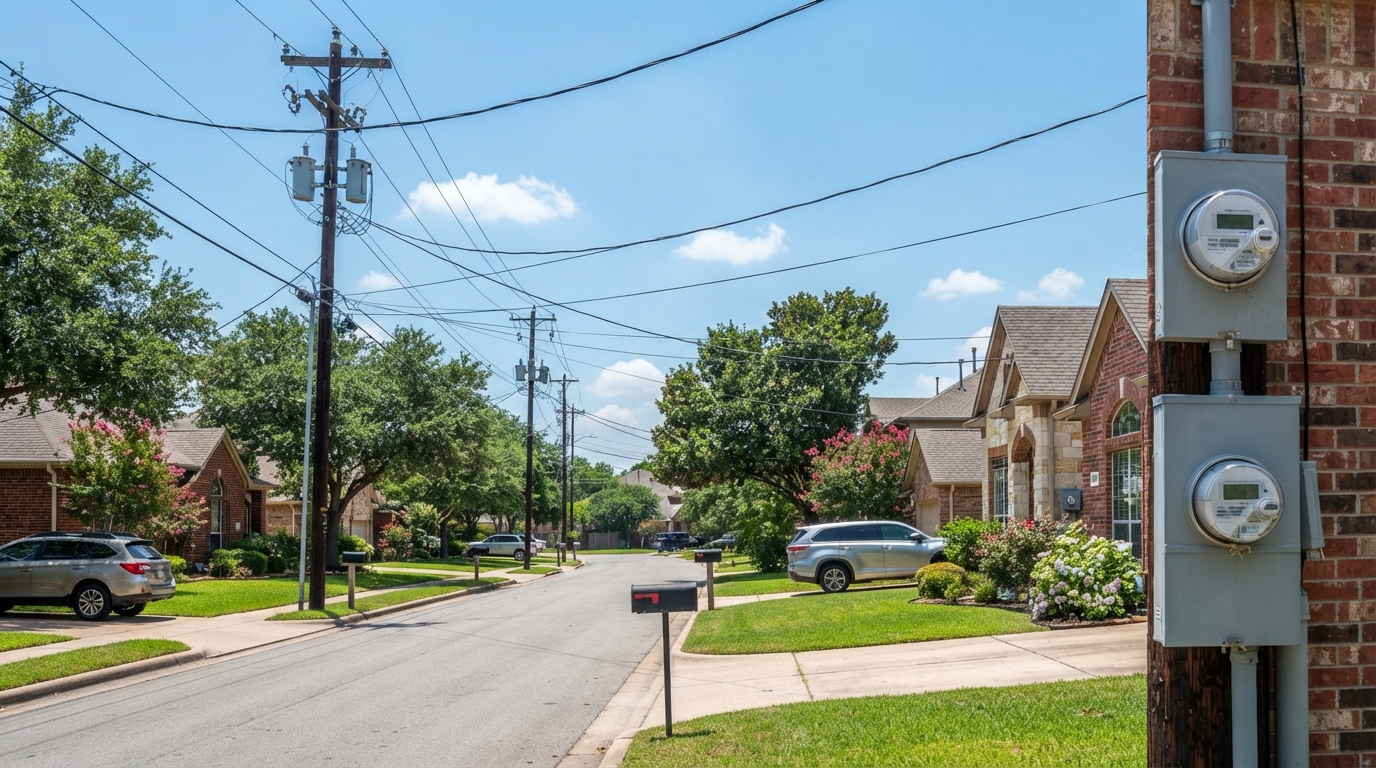
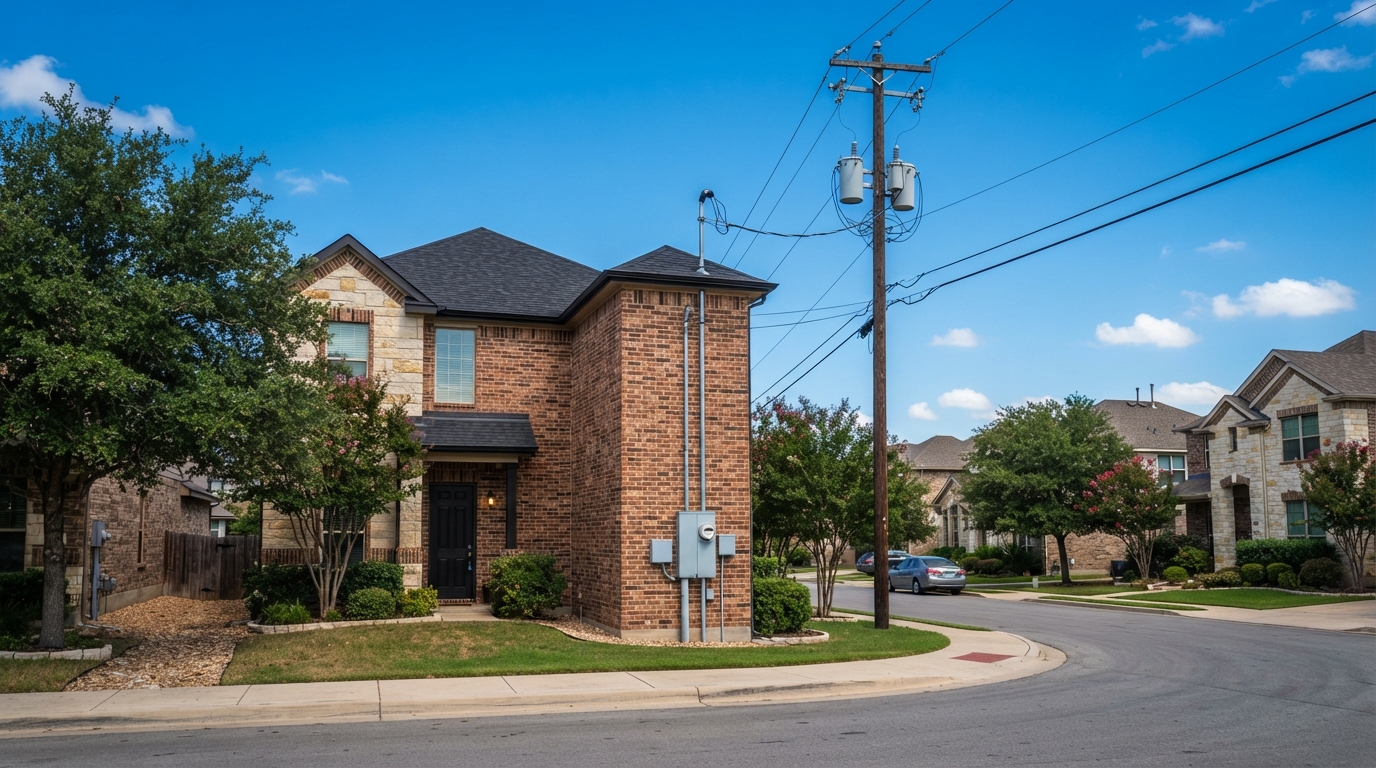
Your regional TDSP operates as a tightly regulated monopoly responsible for the steel, wires, and smart meter infrastructure outside your home. When severe weather hits or physical lines drop, your chosen retail provider doesn’t handle the physical repairs. Instead, your regional utility company manages all infrastructure restoration regardless of your plan. This ensures safe, reliable delivery over public lines while leaving you free to exercise your power to choose the financial partner that fits your budget.
CenterPoint Energy TDSP Pass Through Charges Explained
One of the most common questions residents ask revolves around delivery fees. Public Utility Commission of Texas (PUCT) regulated delivery fees are completely standard across a territory. This means whether you choose a premium or budget provider, your local utility’s delivery charges remain 100% identical. These mandatory transmission and distribution costs periodically fluctuate due to seasonal adjustments and infrastructure maintenance, affecting your all-in cost even if your energy supply rate is locked into a fixed plan.
Why Electric Texan Simplifies the Marketplace
Sorting through fixed charges, volumetric distribution fees, and supply rates can be overwhelming. That is where Electric Texan steps in to make the process seamless:
- Handpicked energy companies vetted for financial reliability and transparency.
- An independent, localized comparison engine designed for quick navigation.
- Clear rate charts tailored to your specific utility service area.
- A proud 20-year history of keeping Texans informed and empowered.
Understanding how your regional utility interacts with your retail plan removes the confusion from energy shopping. Ready to master your utility bill components and find a reliable partner for your home? Put your Power to Choose to work by comparing cheap, handpicked Texas electricity plans without having to bounce across multiple sites. Reach out to our Texas-based team of specialists at 1-844-567-2863 or visit the Electric Texan Home Page to analyze real plans for your ZIP code today!
Frequently Asked Questions
Does switching my retail electric provider cause an interruption in my power service?
No. Switching retail electric companies changes only your billing contract and involves zero physical infrastructure alterations or service gaps. Your local delivery wires, poles, and smart meters remain completely identical.
Why do my delivery charges change if I have a fixed-rate energy plan?
While your energy supply rate stays locked for the duration of your contract, the pass-through charges mandated by your regional TDSP are regulated by the state and can experience periodic adjustments for transmission upkeep and seasonal system upgrades.
Who should I call if the power goes out at my home?
In the event of a power outage, downed line, or emergency electrical issue, you should contact your local regional utility provider directly, such as CenterPoint Energy or Oncor, because they manage all physical infrastructure repairs.